Friday, May 8, 2020

Factors Affecting Recurrent Deep Vein Thrombosis after Pharmacomechanical Thrombolysis and Left Iliac Vein Stent Placement in Patients with Iliac Vein Compression Syndrome


Clinical question

Are there factors associated contralateral and ipsilateral recurrent deep vein thrombosis (DVT) after thrombolysis and stent placement in patients with iliac vein compression syndrome (IVCS)? Is overextension of the stent associated with contralateral or ipsilateral recurrent DVT?

Take-away point
Extension of iliac vein stent to the inferior vena cava (IVC) and in-stent thrombosis are associated with contralateral DVT. Thrombophilia, remaining IVC filter, and in-stent thrombosis are associated with ipsilateral DVT.

Reference
Factors Affecting Recurrent Deep Vein Thrombosis after Pharmacomechanical Thrombolysis and Left Iliac Vein Stent Placement in Patients with Iliac Vein Compression Syndrome. Kim, K.Y., Hwang, H.P., Han, Y. Journal of Journal of Vascular and Interventional Radiology (JVIR), Volume 31, Issue 4, 635-643. 

Click here for abstract

Study design
Single arm, retrospective, single-center study of 130 patients with left lower extremity thrombosis who underwent thrombolysis and stent placement with a median follow-up of 14 months and standardized 6-month anticoagulation followed by lifelong antiplatelet therapy.

Funding source
No reported funding

Setting
Academic hospital, Jeonbuk National University Medical School and Hospital, South Korea.


Figure 1. Categorization of stent position: (a) 100% coverage from the confluence to the contralateral wall of the inferior vena cava; (b) 50%–100% coverage; and (c) less than 50% coverage. (d) A diagram illustrating the three categories, respectively.

Summary


Left iliac stent placement after pharmaceutical thrombolysis in patients with iliac vein compression syndrome (IVCS) is safe and effective. However, precise placement remains challenging. Overly caudal placement may lead to stent collapse with caudal migration. Overly cranial placement may lead to overextension into the inferior vena cava (IVC) with implications of contralateral deep vein thrombosis (DVT). Analyses with a multi-factorial approach remain scarce regarding potential contributing factors to contralateral and ipsilateral recurrent DVT.

The authors performed a retrospective single-center study of 130 patients who underwent pharmaceutical thrombolysis and iliac vein stent placement for IVCS, categorized into 3 groups based on the left iliac stent’s IVC extension (Figure 1). Patients lost to follow-up within 3 months were excluded. Hypercoagulable work up was performed in 105 patients. IVC filter was placed in 111 patients. All filters were removed within 2 months after placement. Mechanical thrombectomy was performed in mixed-stage cases. Pre-stent balloon angioplasty was followed by stent placement oversized 10-20%. All patients were prescribed anticoagulation for 6 months followed by lifelong antiplatelet therapy. Median follow-up was 14 months. Univariate and multivariate analysis were performed between clinically relevant factors and development of contralateral and/or ipsilateral DVT.

7 and 11 patients developed contralateral and ipsilateral DVT, respectively. Contralateral DVT tend to occur later compared to ipsilateral DVT (median of 26 and 1 month, respectively). 2/7 and 5/7 contralateral DVT occurred before and during the 6-month anticoagulation period, respectively. 7/11 and 4/11 ipsilateral DVT occurred before and during the 6-month anticoagulation period, respectively. In-stent thrombosis and stent location (100% overextension into IVC) were associated with contralateral DVT. Thrombophilia, remaining IVC filter, and in-stent thrombosis during follow-up were associated with ipsilateral DVT.

Commentary


The authors in this paper examined a focused group of IVCS patients undergoing pharmaceutical thrombolysis and left iliac vein stent placement with relatively standardized workup and management. Results demonstrated in-stent thrombosis was associated with contralateral and ipsilateral DVT; overextension associated with contralateral DVT; and thrombophilia and remaining IVC filter associated with ipsilateral DVT. These results suggested that overextension into the IVC should be restrained to decrease risks of contralateral DVT. In addition, earlier IVC filter retrieval may be considered to decrease risks of ipsilateral DVT. Lastly, patients with thrombotic disease may warrant more frequent follow-ups to ensure stent patency. Although limited by its retrospective nature, variety of stents and IVC filters used, and small number of recurrent DVTs, this study has provided important information on iliac stent placement location and management of patients with IVCS.

Post AuthorNingcheng (Peter) Li, MD, MS
Integrated Interventional Radiology Resident, PGY-3
Department of Interventional Radiology
Oregon Health and Science University, Dotter Interventional Institute
@NingchengLi

Monday, May 4, 2020

Minimally Invasive Image-Guided Ablation, Osteoplasty, Reinforcement, and Internal Fixation (AORIF) for Osteolytic Lesions in the Pelvis and Periarticular Regions of Weight-Bearing Bones


Clinical question

Is AORIF a safe and effective surgical alternative to treat lytic metastases in periarticular load-bearing bones?

Take-away point
AORIF is a safe and effective treatment for symptomatic osteolytic metastases in load-bearing bones.

Reference
Lee FY, Latich I, Toombs C, et al. Minimally Invasive Image-Guided Ablation, Osteoplasty, Reinforcement, and Internal Fixation (AORIF) for Osteolytic Lesions in the Pelvis and Periarticular Regions of Weight-Bearing Bones. J Vasc Interv Radiol. 2020;31(4):649–658.e1. doi:10.1016/j.jvir.2019.11.029

Click here for abstract

Study design
Single-center, prospective clinical cohort

Funding source
Research support from the National Cancer Institute and National Institute of Arthritis and Musculoskeletal and Skin Diseases

Setting
Academic hospital, Yale School of Medicine, United States.


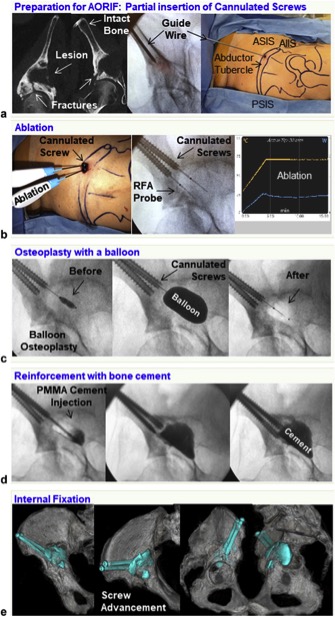
Figure 1. Illustrated details of the AORIF procedure.

Summary


Image guided ablation, osteoplasty, reinforcement, and internal fixation (AORIF) is a technique for treating and stabilizing osteolytic bone metastases. The procedure incorporates radiofrequency ablation for cancer treatment with PMMA cement and internal screw fixation for stabilization. This minimally invasive percutaneous approach aims to provide therapy, pain relief, and stability, while avoiding the risk associated with radiation and open surgery.

This study included 23 patients with 26 consecutive symptomatic osteolytic metastases who were treated with AORIF. Three patients had more than one treatment location. Lesions were located in the pelvis, proximal femur, proximal tibia, and calcaneus. AORIF was performed using cone beam CT guidance for 21 lesions and fluoroscopic guidance for 6 lesions. Post procedural pain and function, follow up imaging, and complications were evaluated.

No complications were described with the initial wire placement, screw placement, or ablation. Two balloons ruptured, which were retrieved without further complication. There was one instance of PMMA extravasation without further related complication. No intra or post procedural blood transfusion was required. No infection, wound complication, fracture or hardware complication was reported at 30 day follow up. No patient required a secondary or revision procedure during the follow-up period (1-18 months). All patients reported improved pain and function at 2 weeks post procedure.

Commentary


The authors evaluated 23 patients treated with AORIF for symptomatic lytic bone metastases. The results are impressive with all subjects experiencing improved pain and function, as well as zero postoperative complications, and no required secondary procedures during the follow-up period. While the cases of intraoperative balloon rupture and PMMA extravasation were inconsequential, they raise awareness for potential adverse events of the AORIF procedure. The study is limited by the small cohort, single center, and lack of control arm for comparison. Despite the limitations, the study demonstrates remarkable outcomes. The study highlights various benefits of AORIF including a spectrum of different anatomic applications and approaches. AORIF offers a low risk, minimally invasive surgical alternative for the management of lytic bone metastases. This study opens the door for future studies to further validate the AORIF procedure.

Post author
Maxwell R. Cretcher, DO
Resident Physician, Integrated Interventional Radiology
Dotter Department of Interventional Radiology
Oregon Health & Science University

Friday, May 1, 2020

Safety of Therapeutic Anticoagulation with Low-Molecular-Weight Heparin or Unfractionated Heparin Infusion during Catheter-Directed Thrombolysis for Acute Pulmonary Embolism


Clinical question
Is there a significant difference in complication profile in use of therapeutic dosed low-molecular-weight heparin versus unfractionated heparin infusion during catheter directed thrombolysis?

Take-away point
No significant difference was found in complication rates between use of therapeutic dosed low-molecular-weight heparin and heparin infusion during catheter directed thrombolysis for acute pulmonary embolism

Reference
Assaf Graif et al. Safety of Therapeutic Anticoagulation with Low-Molecular-Weight Heparin or Unfractionated Heparin Infusion during Catheter-Directed Thrombolysis for Acute Pulmonary Embolism. Journal of Vascular and Interventional Radiology. April, 2020: 31; 4, 537-543.

Click here for abstract

Study design
Retrospective Review

Funding source
Self-funded or unfunded

Setting
Single-center


Figure 3. Complications

Summary


Anticoagulation dosing during catheter directed thrombolysis for pulmonary embolism (PE) remains controversial with no clear consensus between cessation of systemic anticoagulation versus therapeutic dosing versus subtherapeutic dosing. Similarly, there is no clear data to differentiate use of low-molecular-weight heparin (LMWH) versus unfractionated heparin. This study aimed to evaluate safety of therapeutic-dose anticoagulation. With a focus on hemorrhagic complications, during catheter directed thrombolysis for acute pulmonary embolism.

156 patients were identified who underwent catheter directed thrombolysis for submassive of massive acute pulmonary embolism. All patients were treated with therapeutic anticoagulation, either unfractionated heparin infusion (ptt every 6 hours with target range of 50-80 seconds) or LMWH (weight based, BID 1 mg/kg) based on physician preference. Primary endpoints were hemorrhagic complications and all complications. No significant difference in hemorrhagic complication or all complications was found between heparin infusion and LMWH groups.

Commentary


Based on this study, there does not appear to be a significant difference in complication rate between therapeutic LMWH and heparin infusion during catheter directed thrombolysis for acute pulmonary embolism. The authors compared their complication rates to those of other studies using sub-therapeutic anticoagulation without major differences. While this may suggest no increased complication rate with use of therapeutic dosing, it does not prove any benefit either.

As is often the difficulty in retrospective reviews, there is significant heterogeneity in treatments performed. While the paper focused on heparin infusion versus LMWH, there was also significant variability in the catheter directed thrombolysis procedures (unilateral versus bilateral, infusion catheter choice, clot fragmentation, thrombectomy, plasty). Additionally, 5% of patients received systemic tPA prior to thrombolysis.

Further research is necessary in this realm, specifically comparing therapeutic dosing to subtherapeutic dosing of anticoagulation while minimizing heterogeneity between treatments.

Post Author
David M Mauro, MD
Assistant Professor
Department of Radiology, Vascular and Interventional Radiology
University of North Carolina

@DavidMauroMD